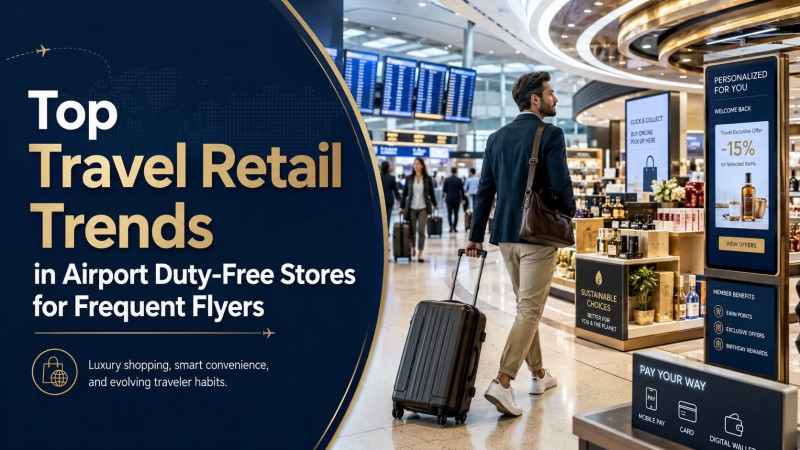
Airport retail has undergone a massive evolution, moving far beyond basic souvenir stands to become multi-brand, luxury-focused environments. For the modern frequent flyer, the terminal is no longer just a transit point; it is a curated destination for high-end consumption.
The global duty-free market—referring to goods sold without local import taxes or duties—is seeing a significant resurgence. Current estimates place the global duty-free retail market at approximately USD 50–55 billion in the mid-2020s, with projections suggesting it will exceed USD 80 billion by the early 2030s. This growth is heavily driven by recovering international travel volumes and massive airport infrastructure upgrades worldwide.
For regular flyers, the appeal of travel retail lies in the dual benefit of tax advantages and convenience. The ability to access premium global brands at competitive price points makes these transit hubs a strategic part of any international itinerary.
Market Growth and the New Economics of Duty-Free
The economic scale of travel retail is expanding at a remarkable rate. While the duty-free segment is a major component, the broader travel retail market is expected to reach roughly USD 145.5 billion by 2032, maintaining a near 10% CAGR.
Regionally, the Asia-Pacific landscape is the primary engine of this growth. Countries like China and South Korea have become dominant drivers of travel retail, fueled by an intense demand for luxury brands and tax-free shopping opportunities. Similarly, Thailand represents a significant market, with its duty-free and travel retail sectors valued in the hundreds of millions of USD and growing at approximately 7% annually.
This expansion is fueled by three core pillars:
- Rising international passenger traffic levels.
- Significant investments in upgraded airport terminals.
- An increasing appetite among travelers for luxury goods and seamless convenience.
What Frequent Flyers Actually Buy at Duty-Free
Understanding spending patterns reveals much about the modern traveler's priorities. While product preferences vary, certain categories consistently lead the market:
- Beauty and personal care: Often the most dominant category, representing between one-quarter to one-third of total duty-free shares.
- Wines and spirits: A significant portion of global purchases (around one-fifth), closely linked to luxury lifestyle spending.
- Confectionery, fashion, and accessories: Essential high-margin categories that drive impulse and planned purchases alike.
Data suggests that frequent international travelers typically spend between USD 100 and USD 500 per trip within airport duty-free shops. While the average airport spend per traveler sits around £60, there is a notable demographic split in how money is spent. Younger travelers (ages 18–34) tend to spend more time and higher amounts of money in duty-free environments compared to older demographics.
Trend 1 – From Transactional Shopping to Experience-Led Retail
The industry is shifting from "transactional" shopping—simply buying an item—to "experience-led" retail. Airports are increasingly redesigning terminals to include large luxury boutiques, fine dining, and personalized shopping services. The goal is to make the retail experience a highlight of the journey rather than a side task.
This shift includes the implementation of VIP lounges and concierge delivery services. Some European hubs, for example, utilize these services to create "walk-through" duty-free zones that integrate shopping seamlessly into passenger flow. For frequent flyers, this provides the comfort, efficiency, and status recognition they crave during long layovers.
Trend 2 – Digital Pre-Ordering, Omnichannel and Personalization
Digital integration is perhaps the most significant operational shift in modern travel retail. The rise of digital pre-ordering and "click-and-collect" allows busy travelers to browse and purchase goods via mobile apps before they even arrive at the airport.
Retailers are leveraging loyalty programs and passenger data to push personalized offers directly to frequent flyers via email or dedicated apps. This omnichannel approach creates a seamless loop: Traveler Browses Online $\rightarrow$ Pre-orders via App $\rightarrow$ Pick up Airside $\rightarrow$ Seamless Departure
This convenience caters specifically to the high-value traveler who prioritizes time-saving and curated, relevant offers over browsing aisles.
Trend 3 – Urban Travel Retail Hubs Beyond the Airport
The boundaries of duty-free are expanding beyond the terminal gates. The concept of city-center duty-free and "travel retail" stores is gaining traction, where shops mix duty-free and duty-paid goods in central urban districts.
These hubs extend the airport shopping experience into a city's primary shopping districts, making luxury goods accessible to tourists even when they are not in transit. For frequent flyers, this expansion offers more opportunities to leverage miles, points, and various loyalty perks across their entire trip, rather than just during the flight itself.
Trend 4 – Lounges, Bundled Perks and Premium Lifestyle Packages
Banks and airlines are increasingly using premium lounges as a tool for customer retention. By offering discounted lounge access, priority services, and retail discounts, they position these environments as key lifestyle perks for high-value travelers. Modern lounges now feature curated food and drink, mini retail corners, and digital concierge services to serve the needs of the affluent passenger.
Where Resort and Entertainment Districts Come In
This evolution toward premium, experience-led travel is often seen in sectors that have refined lifestyle entertainment at scale. Many popular city and resort destinations now promote integrated entertainment districts that feature fine dining, theaters, and high-end nightlife.
As travelers increasingly seek curated leisure experiences, they often turn to comprehensive lifestyle guides such as outlookindia.com to discover the most prestigious entertainment hubs and premium leisure opportunities available in major destination cities. Many of these areas include a regulated gaming operator as part of their broader attraction pool for adult visitors. These offerings are strategically marketed as part of a much broader lifestyle package rather than just focused on prediction-based engagement; frequent flyers often encounter these seamless promotions within airport lounges or through targeted travel retail advertising when planning their next stay at popular resort casino destinations.
Trend 5 – Changing Passenger Behaviour and Spend Patterns
Current data provides a clear window into how time is spent in modern terminals. Travelers spend roughly one-third of their total airport time engaged in shopping activities. However, demographic shifts are changing how retailers design these spaces:
- Younger travelers: Favor more frequent retail interactions and a higher volume of luxury goods.
- Older travelers: Generally spend more time in the terminal but less money within specific duty-free shops.
Retailers respond to these behaviors by optimizing floor layouts, placing high-impact promotional signage in high-traffic zones, and creating digital touchpoints that cater to repeat flyers' specific spending habits.
What These Trends Mean for Frequent Flyers
To get the most out of this evolving landscape, frequent travelers should adopt a strategic approach:
- Plan ahead: Use digital pre-ordering to secure desired items and save time during tight connections.
- Leverage loyalty: Align your airport retail habits with airline or bank loyalty programs to maximize value and earn points.
- Seek premium access: Utilize lounge perks to find curated offers and personalized services that offer better value than standard terminal shopping.
As you integrate these high-end shopping experiences into your travel itinerary, it is also wise to align them with broader travel goals—such as comfort and status—while treating any entertainment or luxury elements of bundled packages as part of a balanced leisure budget.
Conclusion – Airport Retail as the First Step in a Larger Travel Experience
Modern duty-free and travel retail have evolved into an integrated component of the global travel journey. For the frequent flyer, it is no longer just about tax savings; it is about accessing a seamless ecosystem of luxury, convenience, and prestige.
From the initial browse on a mobile app to the final purchase in a high-end terminal boutique, airport stores and urban retail hubs act as gateways to wider lifestyle experiences—including fine dining, cultural attractions, and major entertainment districts. As technology continues to advance, the synergy between travel retail and global lifestyle destinations will only deepen, shaping a more connected and personalized era of international travel.