One of the first questions people ask when planning a home gym is how much space they actually need. Many assume that an effective workout area requires a large room, but the reality is that a well-designed home gym can work in a variety of spaces. The most important factors are equipment selection, workout style, and efficient organization.
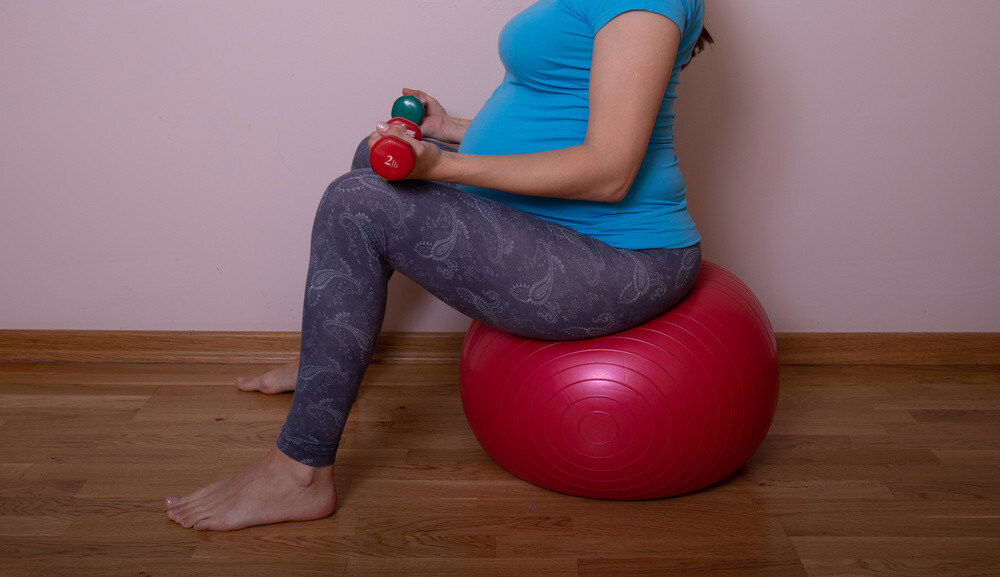
The amount of space required depends largely on the type of training you plan to perform. A small area may be enough for basic dumbbell workouts, mobility exercises, or bodyweight training. However, strength-focused training with barbells and larger equipment requires additional room for safe movement and proper setup.
Before purchasing equipment, it is important to measure the available area carefully. Consider not only the floor space but also ceiling height, wall clearance, and surrounding obstacles. A workout area should provide enough room to perform exercises comfortably without restrictions.
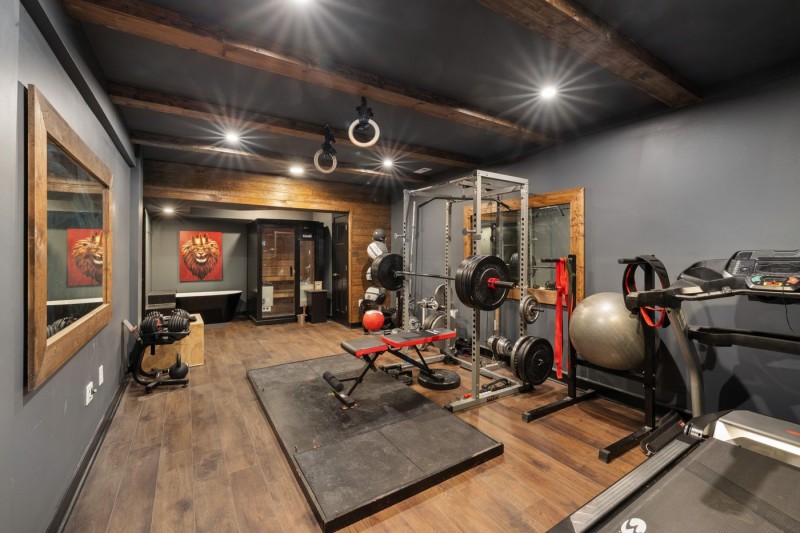
Ceiling height is especially important for strength training setups. Exercises such as overhead presses, pull-ups, and other movements require vertical clearance. Garage gyms and basement spaces should be evaluated carefully to ensure that the environment supports the planned exercises.
Equipment placement can significantly influence how much space a home gym requires. A poorly organized room may feel crowded even when it is relatively large. Positioning major training stations first and arranging accessories around them creates a more efficient layout.
Safety should always be considered when planning a workout space. Strength exercises involving heavier weights require enough room to move safely and comfortably. Equipment should not be placed too close to walls, storage areas, or other obstacles that could interfere with training.
For people interested in barbell training, a dedicated lifting area can become the center of the home gym. A stable training station allows users to perform important compound exercises while maintaining proper positioning and control. Planning enough space around the equipment improves both safety and workout quality.
Storage is another factor that affects space efficiency. Weight plates, accessories, and smaller training tools can quickly reduce available workout space if they are not organized properly. Vertical storage and dedicated equipment areas help maintain an open training environment.
Many beginners make the mistake of buying equipment first and planning the room afterward. A better approach is to understand the available space, define training goals, and then select equipment that fits naturally into the environment.
Future growth should also be considered. Fitness goals often change, and many people expand their home gyms over time. Leaving some additional room allows new equipment to be added without requiring major changes to the setup.
For athletes creating a dedicated strength training area, compact power racks for home gyms can provide an efficient solution by combining safety, versatility, and effective use of available space.
The perfect home gym does not depend on having a massive room. It depends on creating a space that matches your training goals and allows consistent workouts. With careful planning, even a modest area can become a highly effective personal fitness environment.